
The hotel marketing has undergone a radical transformation. Ten years ago, it was enough to be listed on OTAs (Booking, Expedia) and have a nice-looking website. Today, that’s the bare minimum to survive—not to compete.
The article you probably just read from a competitor will give you a list of 20 tasks: “use social media,” “do email marketing.” But as consultants, at IHCS , we know that’s not enough. The problem for many hotels isn’t a lack of channels—it’s a lack of conversion strategy.
It’s not about attracting more people; it’s about attracting the profitable.
In this definitive guide, written from a management consulting perspective, we won’t just tell you “what” to do, but how to structure a Hotel Marketing Plan that lowers your Customer Acquisition Cost (CAC) and increases your GOP.
Table of Contents
The Paradigm Shift: From “Branding” to “Performance”
The number one mistake in hotel marketing is treating it as an aesthetic expense rather than a financial investment.
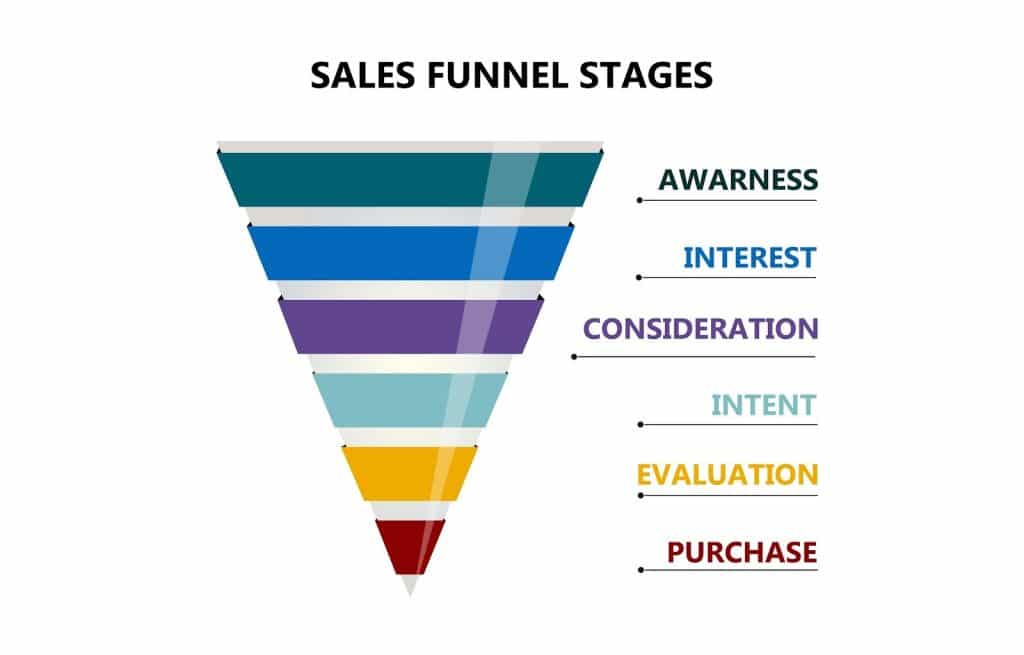
To outperform your competition (and avoid OTA commissions), you need to view your marketing as an ecosystem built on three pillars:
- Traffic: Drive qualified visitors to your website.
- Conversion (Engine): Get those visitors to make a reservation (Reservation Engine).
- Loyalty: Get them to return without paying for advertising (LTV).
5 Hotel Marketing Strategies to Dominate the Market
Forget generic lists. These are the 5 levers that drive revenue growth at the hotels we advise at IHCS.
1. Metasearch Engines: The Battle for the Click (Google Hotel Ads)
If you’re not investing in Google Hotel Ads or TripAdvisor, you’re handing your customers over to Booking.com.
- The Strategy: Connect your booking engine to Google. Make sure your direct rate is always equal to or better than that of OTAs (price parity).
- The Goal: Appear with the “Official Site” label on Google Maps when someone searches for your hotel. It’s currently the channel with the highest ROAS (Return on Advertising Spend).
2. Local and Semantic SEO: Beyond Keywords
It’s not enough to rank for “Hotel in [City].” Artificial Intelligence and voice search have changed the game.
- Niche SEO: Create content that answers specific questions (e.g. , “Hotel with electric vehicle charging stations in Marbella” or “Pet-friendly hotel with a private beach”).
- Google Business Profile: Keep your listing in top shape. Reviews answer questions and sell your business for you before customers even visit your website.
3. Automated Email Marketing (CRM)
Email isn’t dead; it’s the most profitable channel because it’s yours.
- Don’t spam: Don’t send generic offers.
- Automate the lifecycle:
- Before the stay: Upselling a higher-tier room or dinner.
- Post-stay: Satisfaction survey + discount code for next time (or for friends).
4. Social Media with “Shoppable Content”
Posting pretty photos of the pool is pointless if people can’t make a reservation.
- Instagram & TikTok: Use short videos (Reels) that showcase the real experience.
- Social Commerce: Include direct links to the booking engine in your stories and profile. The path from “Like” to “Book” should be just one click.
5. Smart Remarketing
95% of users leave your website without making a reservation. Are you going to let them get away?
- Remarketing allows you to show specific ads to people who viewed a particular product but didn’t make a purchase. It’s the most cost-effective “second chance” in the advertising market.
The expert’s perspective:
“I’ve seen hotels spend thousands of euros on influencers without measuring the return on investment, while their booking engine took 10 seconds to load. Effective hotel marketing starts at home: a fast website, an intuitive booking engine (maximum 3 steps), and a solid pricing strategy. If those basics are missing, advertising is a waste of money.”
— Juan Pedro Lemes, Director of IHCS.
The Hotel Marketing Plan: Budget and Metrics
For marketing to be an effective management tool, it must be measured. At IHCS, we recommend this basic scorecard:
| Metrics | Definition | Healthy Target |
| Direct Sales Share | Percentage of reservations made through your website or by phone. | > 30% |
| CAC (Customer Acquisition Cost) | How much it costs you to get a reservation. | < 5–8% (vs. 18% for OTAs) |
| ROAS | Return on Advertising Spend. | 10:1 (€10 earned for every €1 spent) |
| Website Conversion Rate | Visits that result in a booking. | > 2% |
Marketing Trends for Hotels (2026 and Beyond)
The future belongs to hyper-personalization.
Thanks to Artificial Intelligence, hotels can offer dynamic packages. We no longer sell a “Double Room”; we sell a “Weekend Gourmet Getaway for a Vegan Couple.” Tailoring the message to the micro-segment is the key to justifying a higher average daily rate (ADR).
Does your marketing generate “likes” or bookings?
If your marketing team or agency sends you reports full of vanity metrics (reach, impressions) but your direct sales aren’t growing, you need a change of course.
At IHCS Hotel Consulting, we are not an advertising agency; we are strategic consultants. We align your business strategy, technology, and marketing toward a single goal: to maximize GOP.
Frequently Asked Questions About Hotel Marketing (FAQs)
The general rule of thumb suggests between 3% and 6% of projected gross revenue. However, for new hotels or those undergoing repositioning, this figure may temporarily rise to 8–10% to gain market share.
Don’t try to compete on price (they have more money); compete on value. Offer exclusive perks on your website that Booking can’t provide: free late check-out, a welcome drink, a better cancellation policy, or the option to choose a specific room.
It depends on the size of your hotel. For small independent hotels (<30 rooms), it’s often better to train your in-house staff or hire a strategic consultant on an ad hoc basis (such as IHCS) to map out a roadmap, rather than pay a high monthly fee to an outside agency.





